
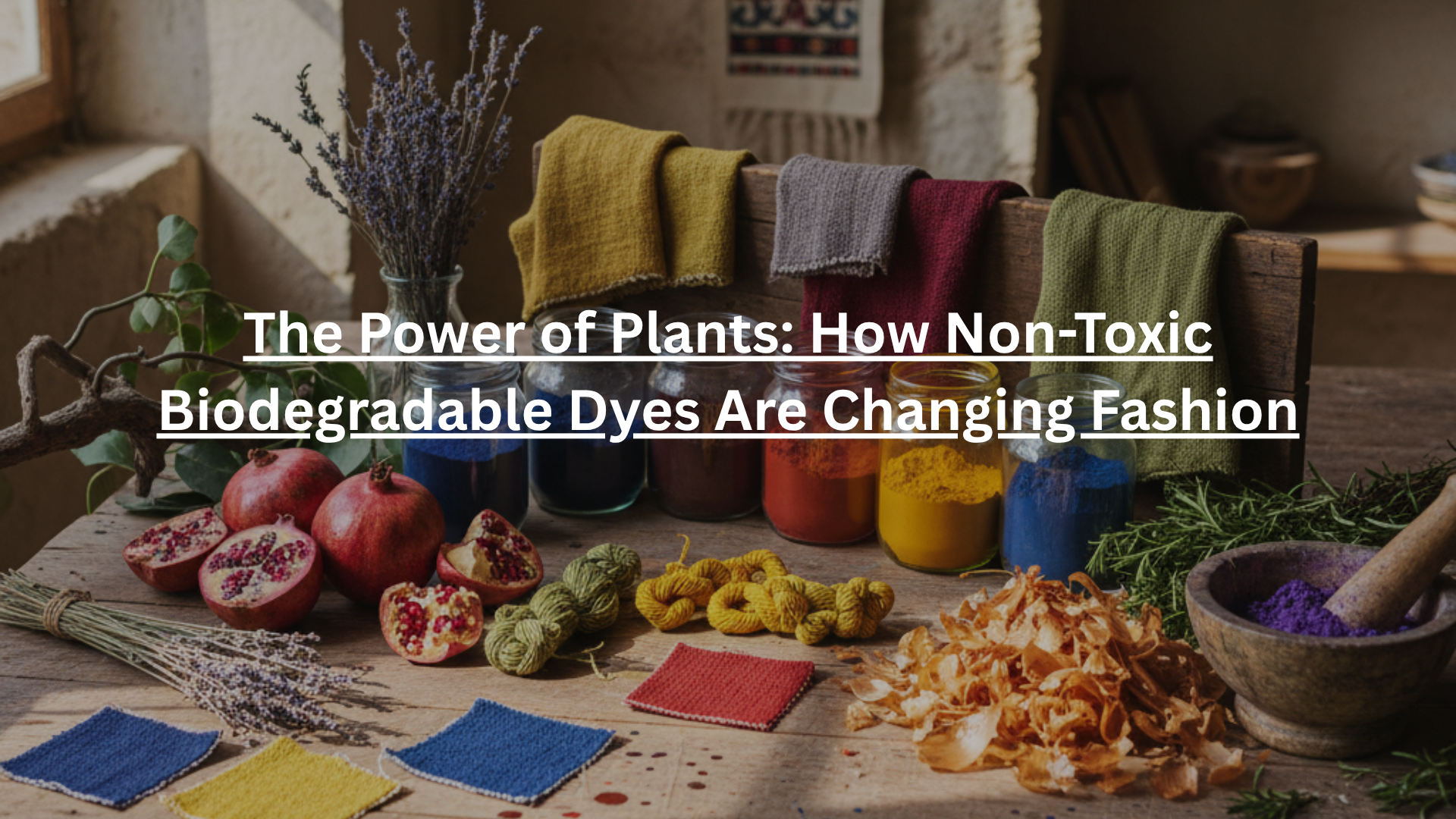
Here are your top 10 non-toxic, biodegradable, natural dyes. Learn why it is important to shift to natural dyes from synthetic ones and how you can support the movement.
– Govind Singh Rathore
Everyone enjoys vibrant colors in their wardrobe, but have you ever considered the true cost the environment has to pay for this? From the deep blues of your favorite jeans to the vivid reds of a summer dress, the journey of color in fashion often leaves a hidden trail of environmental damage.
This is the neglected aspect of textile dyes. These aspects have a significant effect on the environment.
But what if there was a better way?
This is where the revolution of natural dye welcomes you with its ancient wisdom and its modern sustainability. Here’s a blog for you to explore how non-toxic, biodegradable, and natural dyes are coloring the future of fashion.
Table of Contents
- The Challenge: The Dark Side of Conventional Dyeing
- Embracing Nature’s Palette: What is Natural Dyeing?
- Why Biodegradable Dyes are the Future
- 10 Best Natural Dye Colors
- How You Can Support the Natural Dyeing Movement
- Conclusion
The Challenge: The Dark Side of Conventional Dyeing
Textile dyeing is not merely about aesthetics. It is about a profound impact on our planet’s most vital resources. The opportunity of new styles at very low prices and fast fashion has significantly amplified these issues.
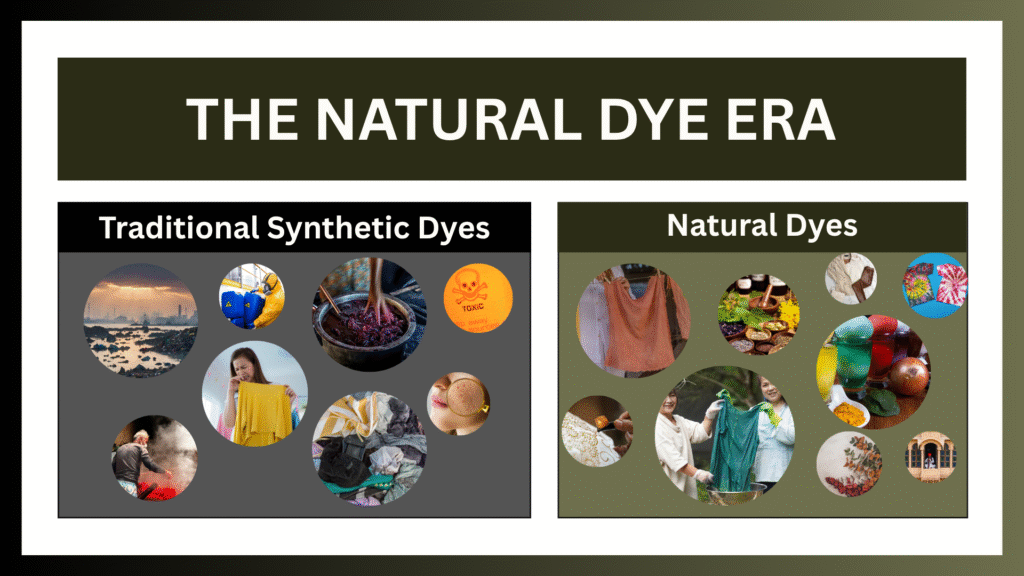
The Global Footprint of Textile Dyeing:
The environmental burden of conventional textile dyeing is substantial and multifaceted. Let’s take a closer look at it:
Water Pollution: The textile industry is a colossal consumer of water. The World Bank estimates that approximately 20% of global industrial wastewater comes from textile dyeing. This makes the textile industries the second biggest polluters of freshwater bodies after agriculture.
Chemical Contamination: Synthetic dyes that are used today are mostly petroleum-based. These dyes are generally loaded with toxic chemicals.
These chemicals pollute the environment to such an extent that they seep into soil, air, and eventually human bodies through prolonged exposure.
This has led to increased cancer rates, reproductive issues, and contaminated drinking water in communities near factories.
Greenhouse Gas Emissions & Waste: The fashion industry produces between 2% and 8% of global carbon emissions. The rise of fast fashion has exacerbated this, with 92 million tonnes of textile waste produced globally every year
Embracing Nature’s Palette: What is Natural Dyeing?
Different types of natural and synthetic dyes.
A Timeless Art Reimagined:
The world relied entirely on natural dyes before the advent of synthetic dyes. This ancient practice involved extracting pigments from the rich bounty of nature to color textiles and fibers.
Natural dye is not a new fad. Rather, it has been a rediscovered, time-tested solution. It represents a return to roots.
What is Natural Dyeing?
At its core, natural dyeing is the process of extracting color from biological sources, predominantly plants, but also minerals and certain invertebrates.
Nature’s Own Color Palette:
The sources for natural dyes are incredibly diverse. They can be found in various parts of plants, like roots, bark, branches, leaves, seeds, nuts, and flower petals.
Common Plant Sources: Examples include the unassuming willow. This yields beautiful shades of pink. Terracotta is a reliable source of vibrant, yellow hues.
Heather is another plant. It offers rich yellows, greens, and grays.
Eucalyptus, known for its wide range of beiges, browns, and olives.
Even everyday kitchen scraps like turmeric, indigo, beetroot, avocado stones, yellow and red onion skins, pomegranate rinds, and coffee can be transformed into beautiful natural dyes.
Beyond Plants: While primarily plant-based, natural dyes can also come from minerals and even insects like cochineal (for a rich red) or snail glands for Tyrian purple.

Why Biodegradable Dyes are the Future
The usage of natural dye is not simply limited to vibrant colors. It offers a holistic solution that not only helps the environment but also our health and even our cultural heritage. This makes it a cornerstone of sustainable fashion.
A Spectrum of Advantages:
Biodegradability and Reduced Pollution: Unlike synthetic dyes that persist in ecosystems for extended periods, contaminating water sources and harming wildlife, natural dyes are inherently biodegradable, breaking down readily and minimizing long-term pollution.
Lower Carbon Footprint & Renewable Resources: Sourced from renewable materials like plants, insects, and minerals, natural dyes have a lower carbon footprint compared to petroleum-derived synthetics.
Non-Toxic and Skin-Friendly: They are free from harmful chemicals such as azo compounds, heavy metals, and formaldehyde. These chemicals are commonly found in synthetic dyes. These can cause skin irritation and allergies and pose health risks to both workers in the textile industry and consumers who wear the dyed fabrics.
Additional Beneficial Properties: Many natural dyes possess inherent antimicrobial properties, helping to kill bacteria and resist mold growth, which can also contribute to a deodorizing effect on textiles.
Unique Aesthetics and Craftsmanship:
Nuanced Color Palette: Natural dyes create rich, nuanced colors with subtle variations that are often hard to replicate with synthetic counterparts.
Social and Cultural Impact:
Preserving Heritage and Empowering Communities: The use of natural dye is a centuries-old tradition that helps preserve traditional dyeing techniques.
10 Best Dye Colors
Our Mother Earth offers a stunning range of colors that can win over the boldest synthetic dyes. Here are the top 10 dye colors:

Indigo (Blue)
It is extracted from the Indigofera tinctoria plant. This gives an iconic blue color.

Turmeric (Golden Yellow)
Turmeric is a kitchen staple. It creates a bold yellow tone. It has antibacterial benefits.
Madder Root (Red & Pink Tones)
This powerful plant root produces a range of reds.
Logwood (Purple to Black)
Logwood yields beautiful purples, deep blues, and even black when combined with iron-based mordants.
Onion Skins (Yellow to Rusty Orange)
Yellow and red onion skins produce warm yellows, oranges, and rust hues. A great zero-waste dye option from kitchen scraps.
Avocado Pits and Skins (Dusty Pink to Peach)
Avocado waste can produce delicate shades of pink and peach.
Cochineal (Rich Crimson Red)
Cochineal creates vibrant red and pink hues. It’s still used in food and cosmetics today.

Pomegranate Rind (Yellows to Greenish)
This fruit’s rind yields subtle yellows and olive tones and is rich in tannins.

Eucalyptus Leaves (Olives and Rusts)
Various species of eucalyptus produce a diverse range of earthy hues. The outcome depends on the leaf type and water minerals.

Walnut Hulls (Brown to Deep Chocolate)
Black walnut hulls give rich browns without needing a mordant. It’s a very stable dye used in both fiber and wood coloring.
How You Can Support the Natural Dyeing Movement
Every purchase is a vote for the kind of world one desires. By making informed choices, consumers can actively contribute to the growth of natural dyes in sustainable fashion.
This progression from individual purchasing to advocacy shows how aggregated individual actions create a powerful collective movement. This can shift the narrative from passive consumption to active participation in systemic change.
Support Brands Championing Natural Dye
A growing number of brands are committed to using natural dyes and sustainable practices. These brands demonstrate that ethical fashion is both possible and desirable. Look for those prioritizing plant-based pigments and ethical production.
In the world of fast fashion, it often gets tough to look into the behind-the-scenes. But as discussed in the blog, the vibrant color that makes our heart glee has a hidden cost on our planet and on our health.
Least to say, it’s never too late to shift to natural dye. A reliable alternative that is soft on the environment, kind to human health, and holds our cultural heritage.
Your decision should not simply be limited to fashion but to a meaningful cause and a conscious wardrobe. Shift to natural dye today and color your life meaningfully.
FAQs
-
What are natural dyes?
Natural dyes are colorants derived from plants, minerals, and insects that are biodegradable, non-toxic, and eco-friendly alternatives to synthetic dyes. -
Why are synthetic dyes harmful?
Synthetic dyes often contain toxic chemicals and heavy metals that pollute water, harm ecosystems, and cause skin and respiratory issues in humans. -
Are natural dyes long-lasting?
Yes, when properly mordanted and cared for, natural dyes can produce rich, durable colors that age beautifully over time. -
Can natural dyes be used at home?
Absolutely. Many natural dye sources like onion skins, turmeric, and avocado pits can be used at home for small DIY dyeing projects. -
Do natural dyes cost more than synthetic ones?
They can be slightly more expensive due to ethical sourcing and labor-intensive extraction, but they offer greater environmental and health benefits. -
How can I support the natural dye movement?
Choose brands that use plant-based dyes, promote sustainable production, and support artisans preserving traditional dyeing techniques.


Pingback: 6 Anti-Fading Hacks to Keep Your Winter Wardrobe Looking New! – DyeMaster
Pingback: Pantone Announces “Cloud Dancer” for 2026: A Shade Redefining Style and Environmental Consciousness – DyeMaster